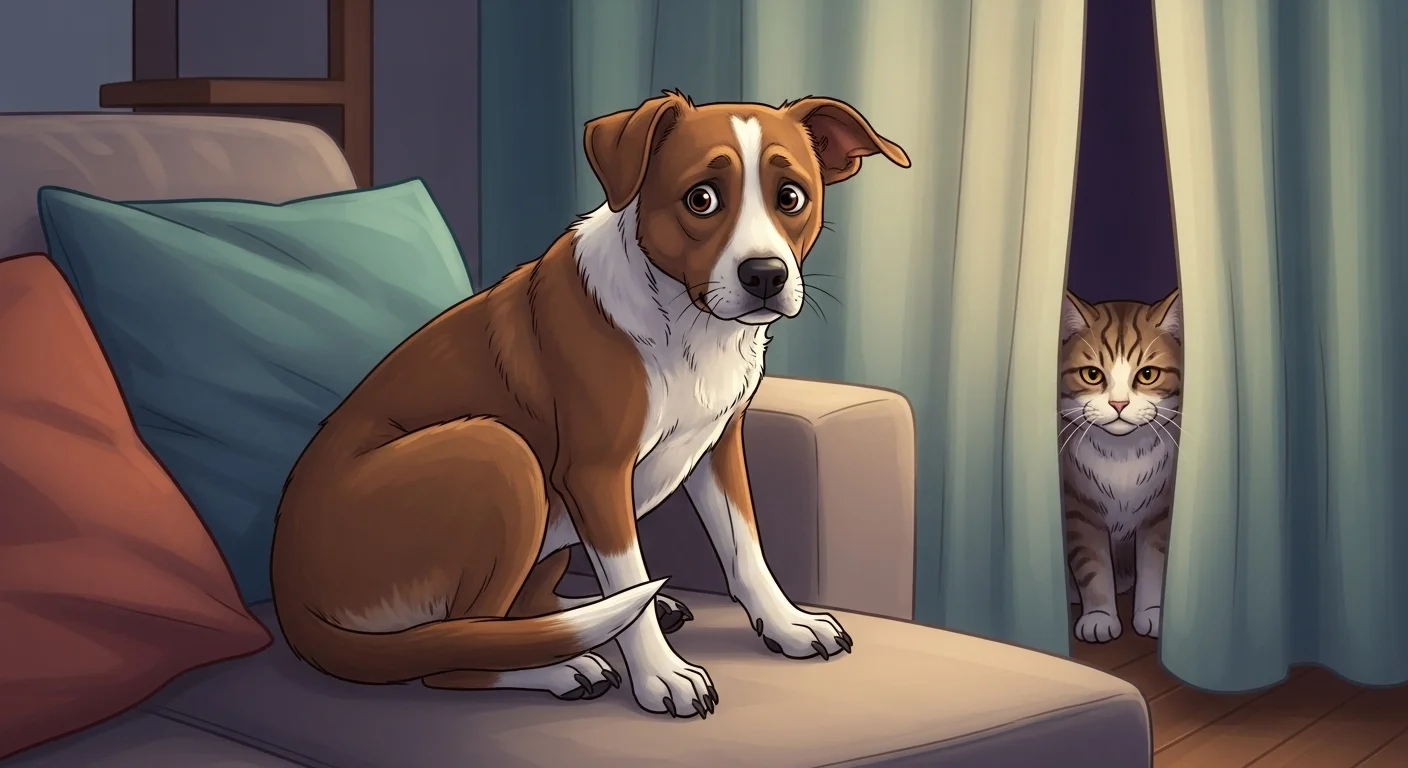
Signs of Stress and Anxiety in Pets (And How to Help)
Just like humans, pets can experience stress and anxiety. Whether it’s a sudden change in routine or a thunderstorm outside, our furry companions can be deeply affected by their environment. Both dogs and cats are susceptible to emotional stress, and if left unaddressed, it can lead to behavioral issues or even physical illness.
Recognizing the signs of stress early can help you take the right steps to ensure your pet lives a happy, balanced life. In this guide, we’ll cover the most common causes of stress in pets, how to recognize it, and what you can do to help.
Common Causes of Stress in Pets
Understanding what triggers anxiety in pets is the first step in managing it. Some of the most common causes include:
- Changes in Routine or Environment: Moving to a new home, a new baby in the family, or even changes in your schedule can disrupt your pet’s sense of security.
- Loud Noises: Fireworks, thunderstorms, or vacuum cleaners can cause fear and anxiety.
- Separation Anxiety: Pets who are left alone for long hours often develop anxiety, especially dogs.
- Lack of Physical or Mental Stimulation: Boredom can turn into anxiety, especially for active breeds.
- Health Issues: Sometimes, underlying pain or illness may cause behavioral changes.
- New People or Pets: The presence of strangers or new animals in the home can make pets feel threatened or insecure.
Signs of Stress and Anxiety in Dogs
Dogs express anxiety in a number of ways. Here are the signs to look out for:
- Excessive Barking or Whining: Persistent vocalization may indicate distress.
- Pacing, Trembling, or Hiding: These behaviors show nervous energy and discomfort.
- Destructive Behavior: Chewing furniture or digging indoors can signal boredom or anxiety.
- Loss of Appetite: Stress can suppress a dog’s desire to eat.
- Licking or Chewing Paws: A self-soothing behavior that can become compulsive.
- House Soiling: Dogs that are usually house-trained may start having accidents.
Signs of Stress and Anxiety in Cats
Cats may be more subtle than dogs, but their signs are just as important:
- Hiding More Than Usual: A common sign of stress or fear.
- Aggression or Sudden Mood Swings: If your cat becomes unusually aggressive or irritable.
- Excessive Grooming: Leading to bald patches or sores.
- Litter Box Issues: Avoiding the litter box may indicate emotional or physical problems.
- Change in Appetite: Loss of interest in food is often an early sign of stress.
- Dilated Pupils and Crouched Posture: These physical cues can signal fear or nervousness.
How to Help a Stressed Pet
Once you recognize the signs, here’s what you can do to help your furry friend:
- Keep a Consistent Routine: Pets thrive on predictable schedules for feeding, play, and walks.
- Create a Calm Space: A quiet room or corner with their bed and favorite toys can provide comfort.
- Use Calming Tools: Products like calming diffusers, anxiety wraps, or music designed for pets can help.
- Increase Physical and Mental Exercise: Playtime, walks, and puzzle toys work wonders for easing tension.
- Desensitization: Gradually exposing pets to what they fear (e.g., sounds or strangers) in a safe way.
- Enrichment: Cat trees, treat puzzles, and interactive toys prevent boredom and anxiety.
- Stay Calm Yourself: Pets pick up on human emotions — your calm presence reassures them.
When to Seek Professional Help
Sometimes, stress and anxiety go beyond what you can manage at home. Seek professional help if:
- Symptoms persist or worsen
- Your pet becomes aggressive or unmanageable
- You suspect an underlying health issue
A vet can assess whether medication or therapy is necessary. Additionally, professional pet sitters and dog walkers can reduce separation anxiety by maintaining a stable routine and offering companionship when you’re away.
How Our Pet Care Services Can Help
At Paw Pair Pet Care, we understand how emotional well-being affects your pet’s quality of life. Our experienced team offers:
- Routine-based walks and visits that keep your pet’s day predictable
- Comfortable, in-home pet sitting to reduce the stress of boarding
- Compassionate care tailored to your pet’s personality and needs
Let us help your pet feel safe, calm, and cared for — every single day. Contact Us Today!
FAQs
Conclusion
Stress and anxiety in pets are more common than most people realize — but they’re also manageable. Early detection, consistent care, and support from professionals can make all the difference in your pet’s happiness and health.
If your dog or cat shows any signs of stress, don’t wait. Start making small changes and reach out to a trusted pet care provider to ensure your pet’s comfort and emotional balance.